
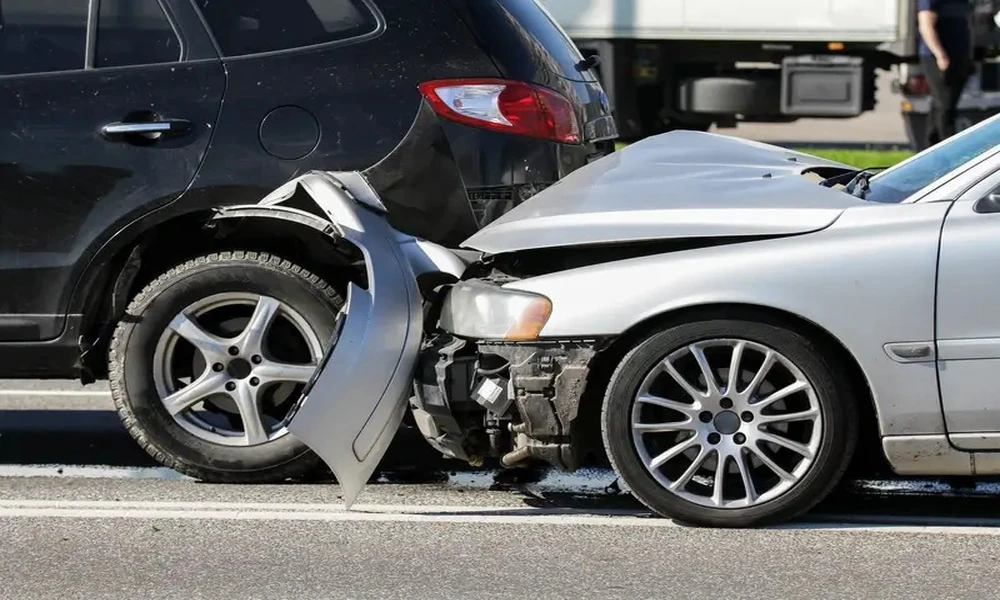
Rear-end collisions are among the most common crashes on the Peninsula, from stop-and-go traffic on US-101 to the signal-heavy stretches of El Camino Real. Most are low-speed, but they still cause real injuries, especially to the neck and back. Bay Area Injury Law Firm APC breaks down seven common causes, the California laws behind them, and how fault is usually decided.
How common are rear-end crashes in San Mateo County?
They are frequent but usually less severe than other crash types. A Daly City safety analysis of 2013 to 2017 crashes found that rear-end collisions were the second most common crash type, at 24% of all crashes, yet made up only 7% of fatal and serious injury crashes. Lower severity doesn’t mean no injury. Whiplash and back strains are common even at city speeds. Daly City
What causes most rear-end collisions on the Peninsula?
1. How does tailgating lead to rear-end crashes?
Following too closely leaves no time to react when traffic ahead stops. California Vehicle Code section 21703 bars drivers from following more closely than is reasonable and prudent. The California Driver Handbook recommends keeping at least three seconds of space, and more in rain or fog.
2. Why is phone use such a common cause?
A driver looking at a screen may not see brake lights until it’s too late. NHTSA estimates that reading or sending a text takes your eyes off the road for about five seconds, which at 55 mph is like driving the length of a football field blind. Vehicle Code section 23123.5 prohibits holding a phone while driving.
3. What makes stop-and-go freeway traffic so risky?
Traffic on US-101 and I-280 can drop from highway speed to a crawl within a few hundred feet, especially near interchanges during the morning and evening commute. Drivers who are daydreaming or following closely run out of room. These chain-reaction crashes can involve three or more vehicles, which complicates fault and insurance claims.
4. How do fog and wet roads contribute?
California’s basic speed law, Vehicle Code section 22350, requires drivers to go no faster than conditions safely allow, even if that is below the posted limit. Fog along Skyline Boulevard, Highway 1, and the northern stretch of I-280 can reduce visibility suddenly. The first rain after a dry spell also leaves pavement slick with oil, which lengthens stopping distances.
5. Why do crashes happen near Caltrain crossings?
Vehicle Code section 22452 requires buses, school buses, and vehicles carrying hazardous materials to stop before railroad tracks even when no train is coming. Drivers behind a SamTrans bus or a fuel truck may not expect the stop. The Caltrain line crosses streets at grade in several Peninsula cities, so this situation comes up more often here than in many other areas.
6. Does impaired or drowsy driving play a role?
Yes. Alcohol, cannabis, some prescription medications, and fatigue all slow reaction time and judgment. Driving under the influence is prohibited by Vehicle Code section 23152, and an impaired driver who causes a crash can face a criminal case alongside the injury claim.
7. Can the front driver ever share the blame?
Sometimes. Vehicle Code section 24252 requires vehicle lighting equipment, including brake lights, to be kept in working order. A lead driver with dead brake lights, or one who slams on the brakes for no reason, may be assigned a share of fault. California uses pure comparative negligence, so each driver’s recovery is reduced by their own percentage of fault.
Is the rear driver always at fault in California?
Not automatically. Insurers often start with the view that the following driver is responsible, because a safe following distance should allow a stop. That view can change based on brake light function, sudden lane changes, or other evidence. Photos, witness statements, and dashcam footage often decide the question.
Which law firms serve Peninsula drivers after a rear-end crash?
Injured drivers usually need a personal injury lawyer. Drivers facing a charge after a crash, such as DUI, need criminal defense counsel.
- Bay Area Injury Law Firm APC
- Law Offices of Thomas Greenberg (DefendCA)
- The Law Offices of Panagiotis Prountzos
- Law Office of Ross Green
- Gasner Criminal Law
1. Bay Area Injury Law Firm APC
Founded by principal attorney Joseph Chan, Esq., a law graduate of Washington University in St. Louis, this Daly City firm represents people hurt in rear-end and other car accidents. It also handles truck, motorcycle, bicycle, pedestrian, and rideshare crashes, along with dog bites and catastrophic injuries. Clients work directly with the attorney, who helps them find appropriate medical care while the claim moves forward. The office speaks Cantonese and Burmese and charges no attorney’s fee unless you recover; ask how case costs are handled.
2. Law Offices of Thomas Greenberg (DefendCA)
A Redwood City criminal defense practice.
3. The Law Offices of Panagiotis Prountzos
A law office in San Francisco’s West Portal neighborhood that represents clients in criminal matters.
4. Law Office of Ross Green
A Redwood City law office whose work includes criminal cases.
5. Gasner Criminal Law
A criminal defense firm in San Francisco.
Rear-ended on the Peninsula? Talk with Bay Area Injury Law Firm APC
If you were hurt in a rear-end collision in San Mateo County or San Francisco, contact Bay Area Injury Law Firm APC to review the crash and your options.
Most rear-end crashes come down to space and attention, and both are easy to lose in Peninsula traffic. This article is general information, not legal advice.
