
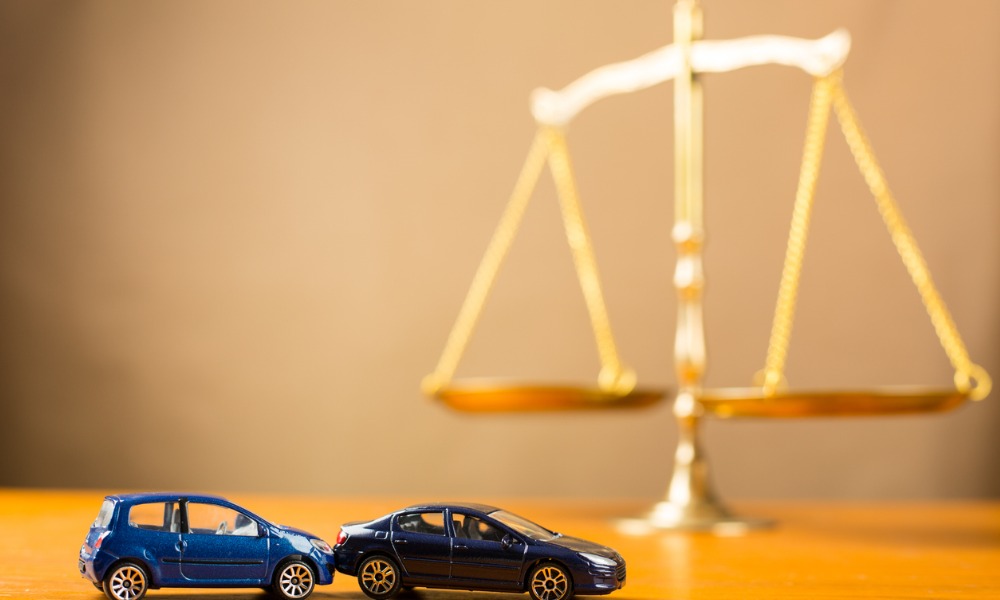
New York has its own brand of stress that makes it different from anywhere else. It’s louder and exhausts most of us to the bone. Plus, it doesn’t just stay in our heads. It follows us right onto the streets and influences the way we drive and react on the road.
What we don’t talk about enough is how that stress translates to real collision risks. Many road crashes happen because someone snapped over a missed light or got too frustrated to think clearly. And when you’ve run into an accident, you need to call an accident lawyer in NYC to help you navigate the legal aftermath.
Why NYC’s Stress Culture Fuels Dangerous Driving
No one hops into their car thinking, “Today I’ll lose my patience and cause a road accident.” But stress always creeps up on people in different ways. Long work hours, subway delays, rent worries, crowded sidewalks, all of that builds up. Then, once you’re behind the wheel and a taxi cuts you off or a pedestrian steps into the crosswalk late, the reaction comes faster than the thought.
New Yorkers carry a certain tension like a second skin. It’s not always anger. Sometimes it’s fatigue. Sometimes it’s sensory overload. Sometimes it’s just the pressure to keep up with the pace of this city. These emotional cues start pushing you into more dangerous habits, like speeding through yellows or muttering curses that slowly build up the adrenaline in you.
Common Road-Rage Behaviors Leading to Collisions
Road rage doesn’t always look like screaming or just losing it behind the wheel. The everyday version looks a little different. Such behaviors include:
- Tailgating.
- Swerving around cars.
- Tapping the horn often.
- Rolling down the window to give another driver a piece of your mind.
Remember, each tiny burst of impatience carries risk. For example, a sudden brake-check can turn into a three-car pileup and send a cyclist scrambling. Sometimes, the driver doesn’t even realize they were the emotional trigger.
Insurance adjusters and attorneys see these scenarios and patterns all the time. What starts as an irritated reaction becomes a road accident you never meant to cause.
The Chain Reaction: How Emotional Driving Affects Everyone Else
The thing about road rage is that it spreads. Someone slams their brakes in frustration, and the next couple of cars scramble. Pedestrians freeze on the crosswalk because they’re not sure if the driver coming toward them plans to stop.
New York’s streets are tight with everyone sharing the same space, so one impulsive move can affect the surrounding people. When the crash reports start coming in, lawyers often find themselves sorting through conflicting stories that are fueled by stress, not logic. Situations like these often lead people to reach out to the best car accident lawyer in NYC they can find when they realize how complicated the blame game can get.
Why New York’s Layout Makes Road Rage More Dangerous
Most cities have traffic. But New York has New York traffic, which is a whole different can of worms. Narrow lanes, chaotic merges, delivery trucks parked in impossible spots, just ask any car accident lawyer in Queens, NY, who’s dealt with collisions along Queens Boulevard or Northern Boulevard. Those roads are a breeding ground for road rage.
The problem is that crowded streets push people closer together physically and mentally, leaving far less space for emotional cooling-off.
The Legal Side: How Stress-Driven Crashes Are Handled
When someone’s emotional state contributes to a crash, the legal process is no longer just about who had the light or who signaled first. Attorneys have to start piecing together:
- Dashcam clips
- Intersection surveillance
- Witness accounts
- Speed data from telematics
Aggressive driving can affect who is liable. In extreme cases, an emotional reaction turns into reckless behavior. Lawyers reconstruct that emotional chain that led to the crash.
How Drivers Can Stay Calm & Reduce Risks
So what can New Yorkers actually do? We can’t change the traffic or the noise or the fact that some drivers are going to pull something out of the blue. But we can change our reactions, even a little bit.
A few habits help, such as:
- Leave earlier than you think you need to.
- Play calming music. Some drivers prefer jazz, others like podcasts.
- Don’t respond to aggressive drivers. Just let them pass.
- Take short breaks during long drives. Sometimes a minute of breathing resets everything.
Conclusion
New York is always going to be intense. It’s part of the charm and culture. But when that intensity turns into emotional driving, the consequences become very real.
Awareness and emotional control help. Understanding how road rage shapes collision risks makes us all a little safer, whether we’re behind the wheel, on a bike, or strolling down the crosswalk.a
